Navigating commercial and residential jobsite logistics in Los Angeles demands precise waste staging. Structural renovations generate high-density, heterogeneous debris streams that require strict sorting under the…
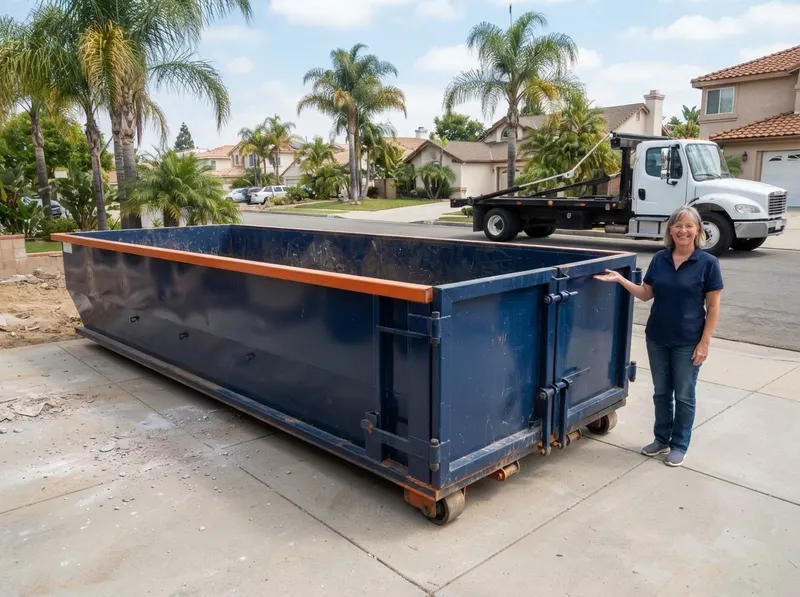
Navigating commercial and residential jobsite logistics in Los Angeles demands precise waste staging. Structural renovations generate high-density, heterogeneous debris streams that require strict sorting under the California Green Building Standards Code (CALGreen). UrbanCrate Disposal Group deploys open-top roll-off containers configured specifically for mixed structural waste, preventing project stoppages caused by overloaded bins or regulatory non-compliance. When managing full-gut renovations in Sherman Oaks or hillside rebuilds near Griffith Observatory, staging space dictates container dimensions. A 10-yard container accommodates heavy inert materials like brick and broken slab without exceeding gross vehicular weight ratings under the Federal Highway Administration bridge formula, whereas high-volume framing debris in Boyle Heights or Koreatown necessitates higher-walled 30-yard or 40-yard capacities. The trade-off centers on spatial footprint versus payload: larger containers maximize cubic yardage for light wood and drywall, while smaller containers prevent axle-weight violations on dense aggregate hauls.
Public right-of-way staging introduces strict municipal oversight. Placing a roll-off container on public asphalt in Silver Lake, Echo Park, or Venice requires a Street Use Permit issued by the City of Los Angeles Bureau of Street Services (StreetsLA). Staging without an active street permit invites immediate red-tag citations, impound holds, and jobsite shutdown. Containers positioned in the public roadway must maintain traffic flow and safe clearance according to guidelines from the U.S. Department of Transportation and the California Division of Occupational Safety and Health (Cal/OSHA). For properties on narrow residential streets in Highland Park or hillside corridors in Los Feliz, logistics planners assess street grade, overhead utility lines, and turning radius before dispatching tandem-axle transport trucks, ensuring containers clear overhead obstructions mandated by the U.S. Department of Energy infrastructure protection criteria.
Debris handling must comply with environmental diversion mandates governed by the California Department of Resources Recycling and Recovery (CalRecycle) and regional disposal metrics monitored by the U.S. Environmental Protection Agency (EPA). All recovered building elements, including structural timber evaluated by the American Wood Council and concrete mixtures specified through the American Concrete Institute, are transported directly to certified material recovery facilities to satisfy local 65% recycling minimums. Unlike general municipal waste haulers, UrbanCrate Disposal Group establishes transparent logistics billing without ambiguous post-project tonnage surcharges or hidden fuel assessments. Direct communication is maintained at (323) 205-7126 to coordinate dispatch, swap-outs, and rapid pull schedules that align with active demolition timelines near Exposition Park or Brentwood.
Every job gets a firm, written price after a free on-site visit.
For standards, safe disposal, and service guidance on DUMPSTER in Los Angeles, CA, useful references include U.S. EPA, EPA, EPA, OSHA, Earth911, and Google Maps. General consumer and small-business resources are available from USA.gov, Better Business Bureau, FTC Consumer Advice, U.S. Small Business Administration, and Ready.gov.
Tell us about your construction & demolition (c&d) dumpster job in Los Angeles and we'll send a clear, written quote, usually the same day.
 UrbanCrate Disposal Group